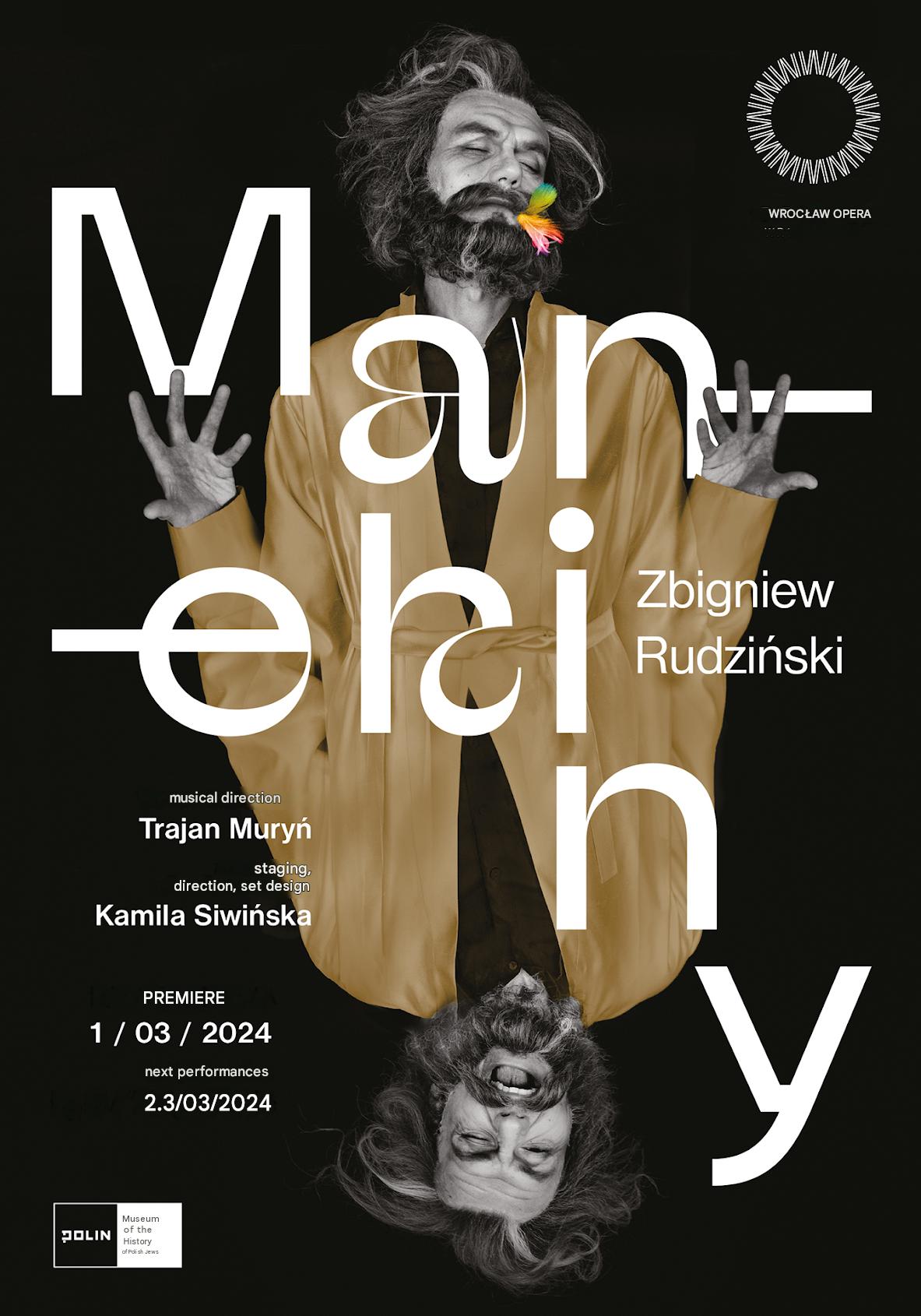
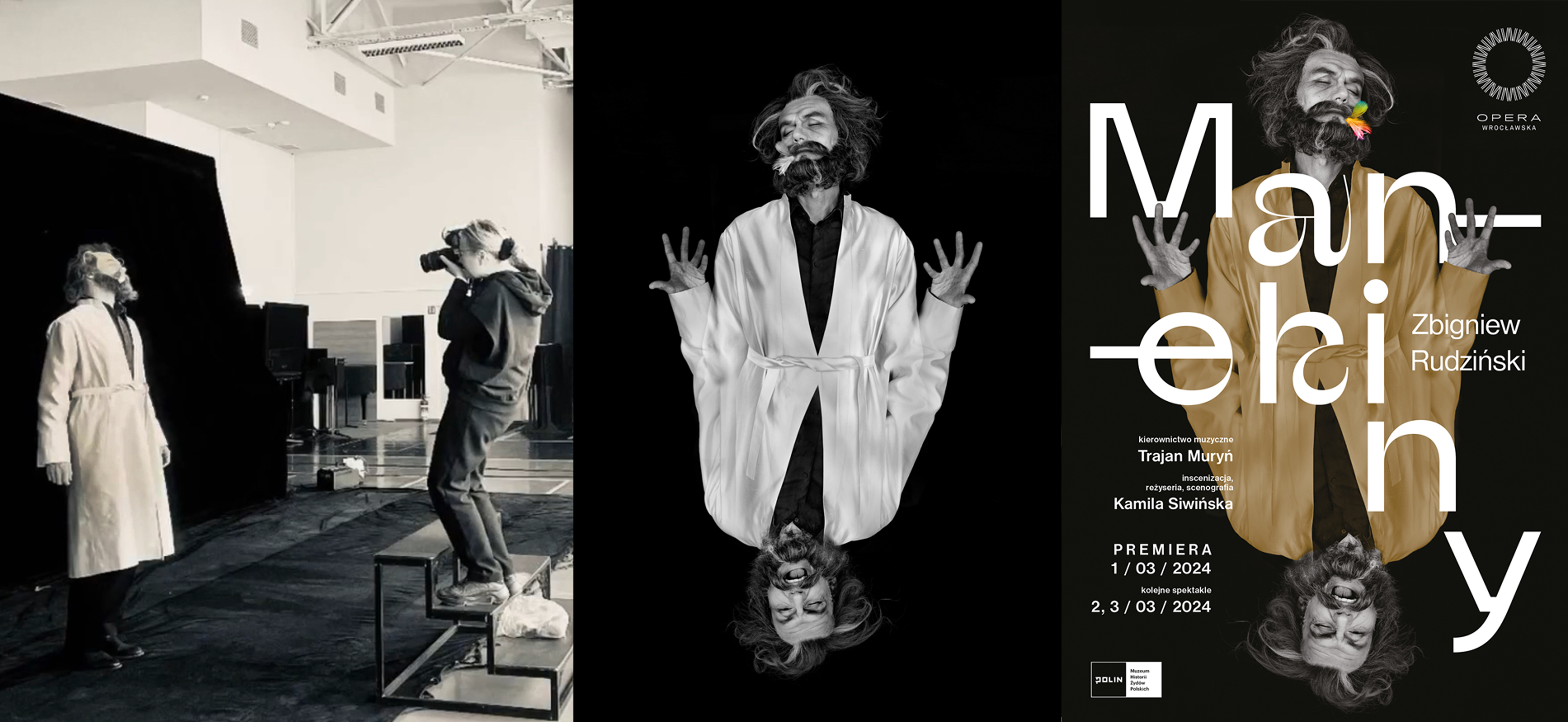
MANNEQUINS by Zbigniew Rudzinski
based on "The Cinnamon Shops" by Brunon Schulz
premiere:
POLIN Muzeum 25.02.2024.
OPERA WROCLAWSKA 01.03.2024.
CREATIVE TEAM:
Directed, Set Designed & Visualized by: KAMILA SIWINSKA
Conductor: TRAJAN MURYN
Costume Designer: MARTYNA CIERPISZ
Choreography: KATARZYNA WITEK
CAST:
Jakub - Tomasz Rudnicki
Polda - Liliana Jedrzejczak
Paulina - Aleksandra Malisz
Draga - Barbara Baginska
Adela/Magda Wang - Eliza Kruszczynska
Edzio Kaleka - Jedrzej Tomczyk
Anarchista Luccheni - Aleksander Zuchowicz

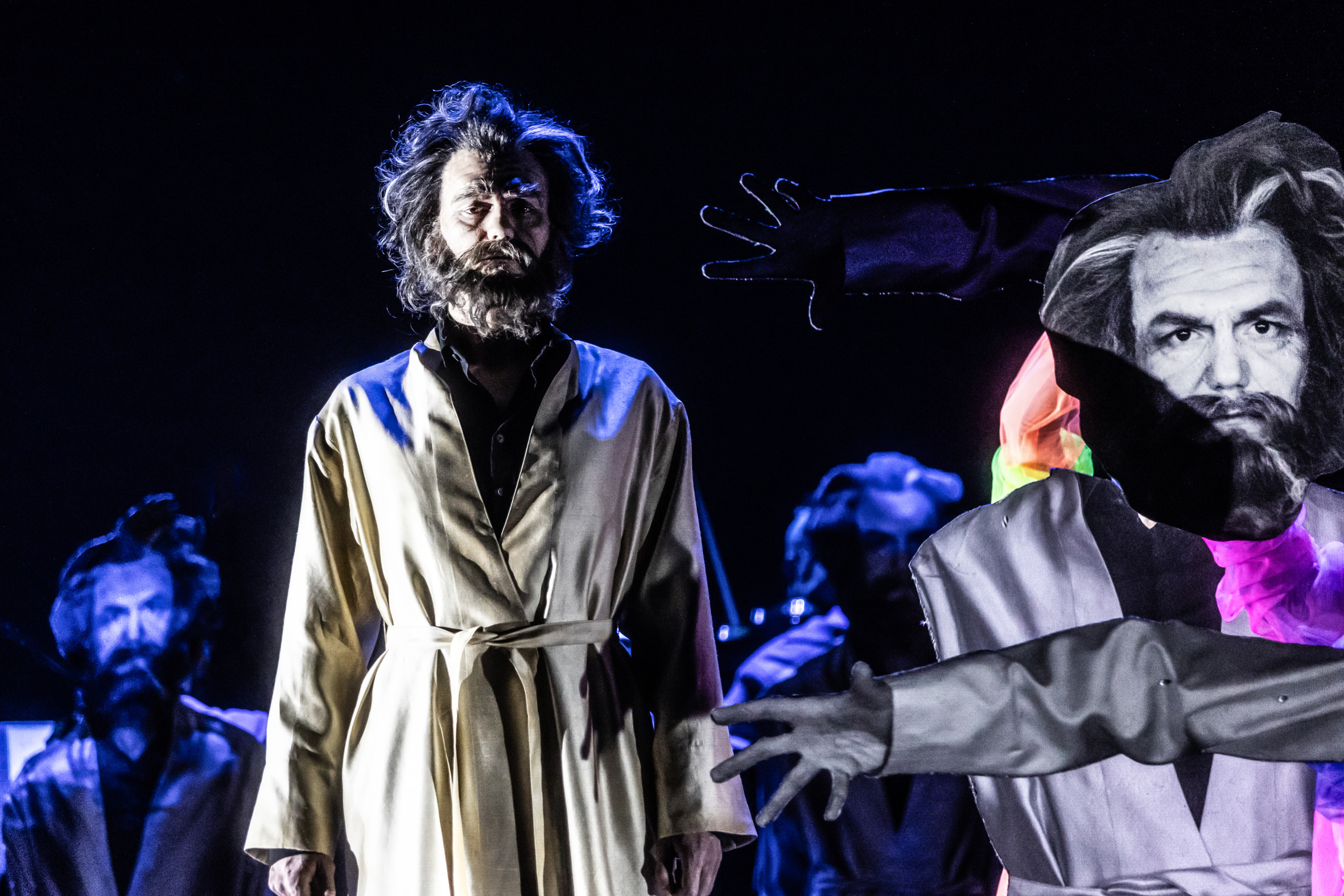
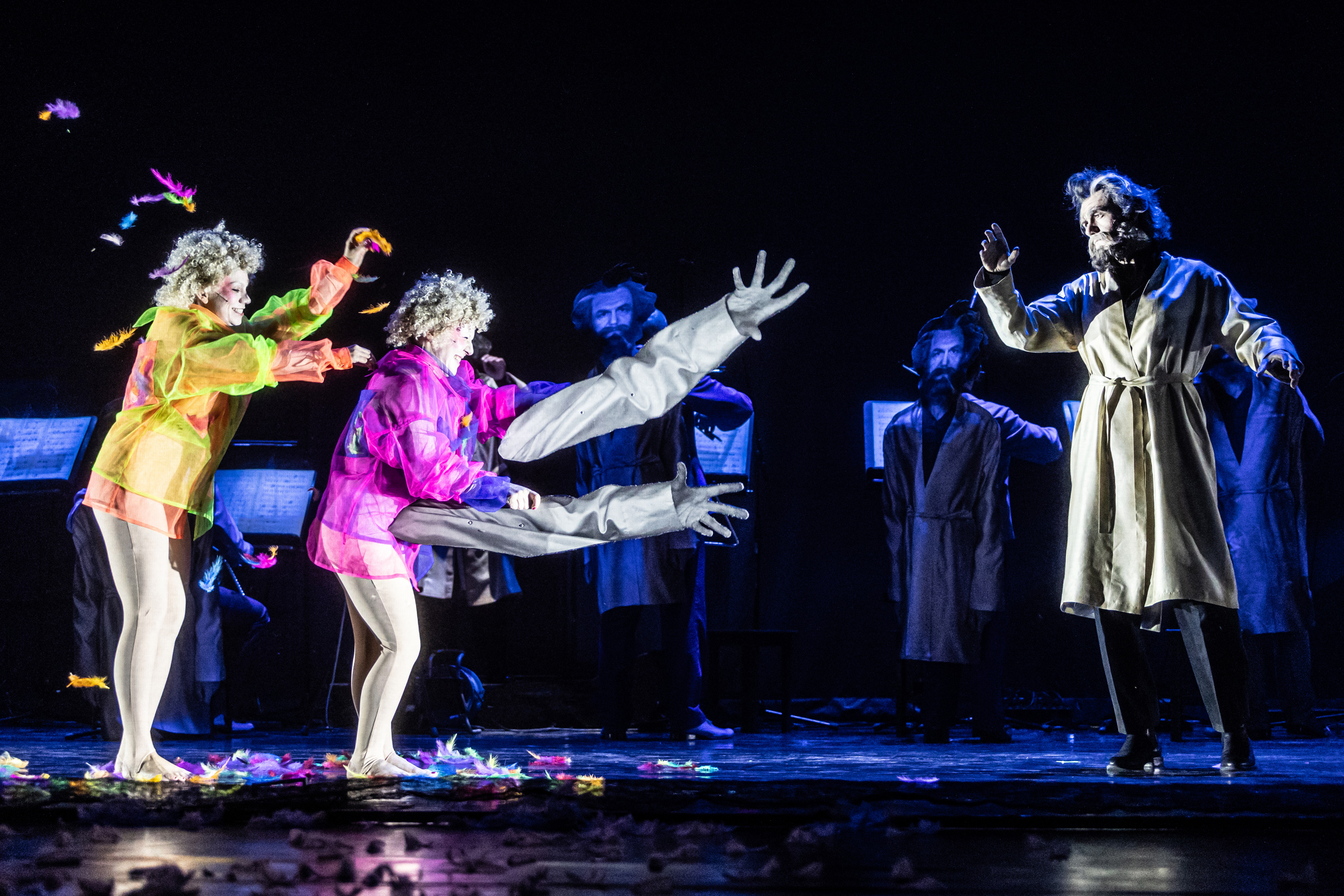
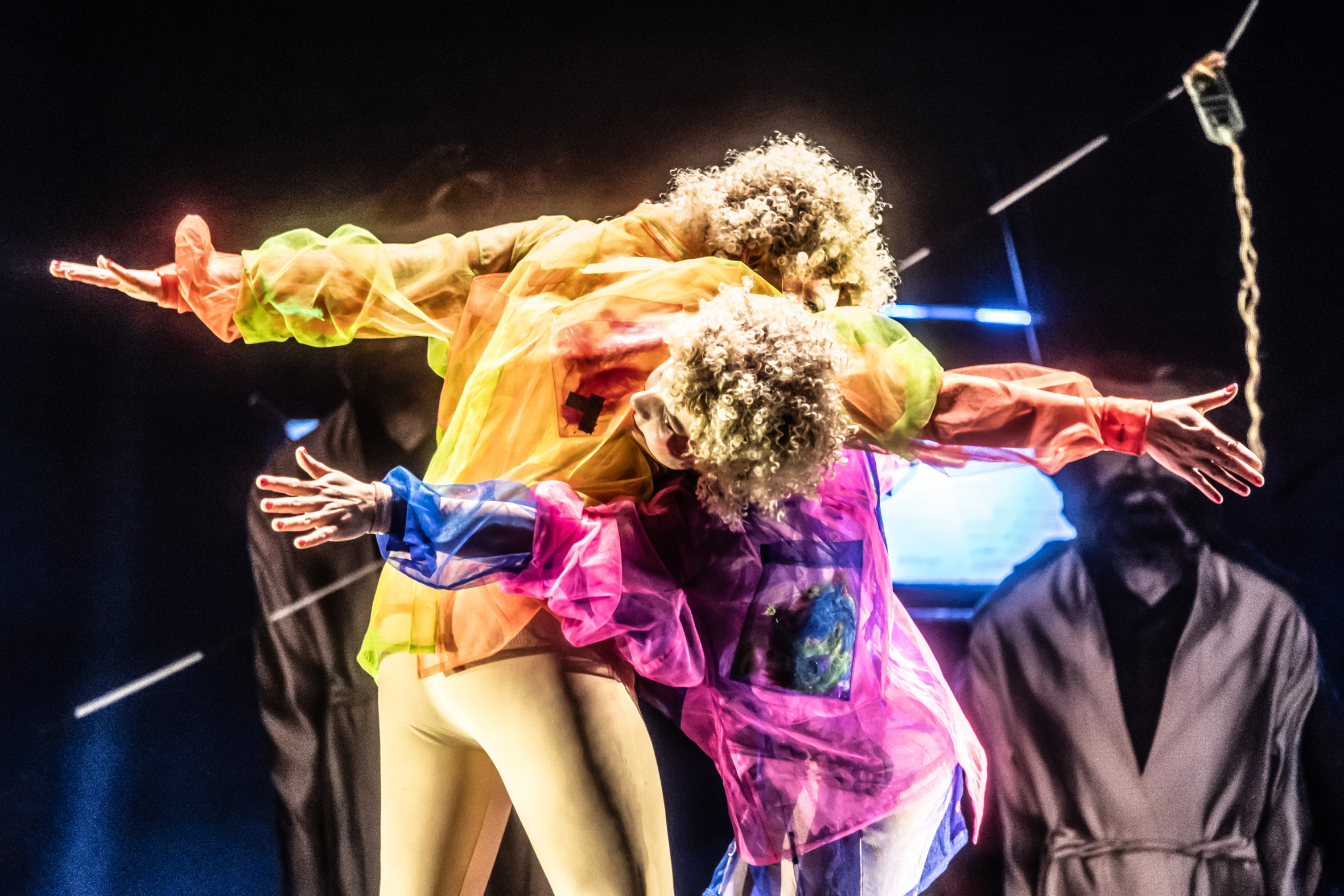
“Madness is the only path to knowledge.”— Hesiod
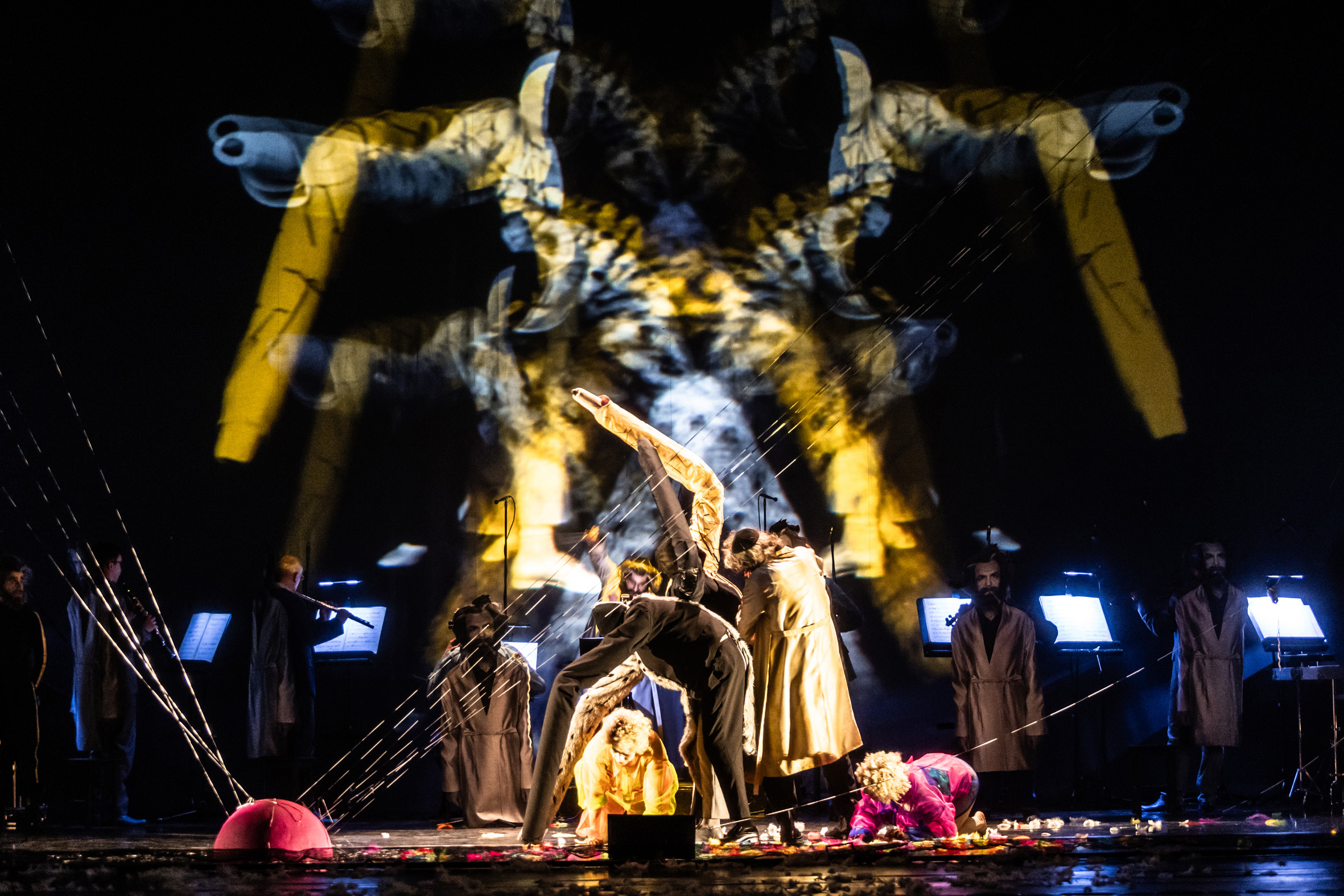
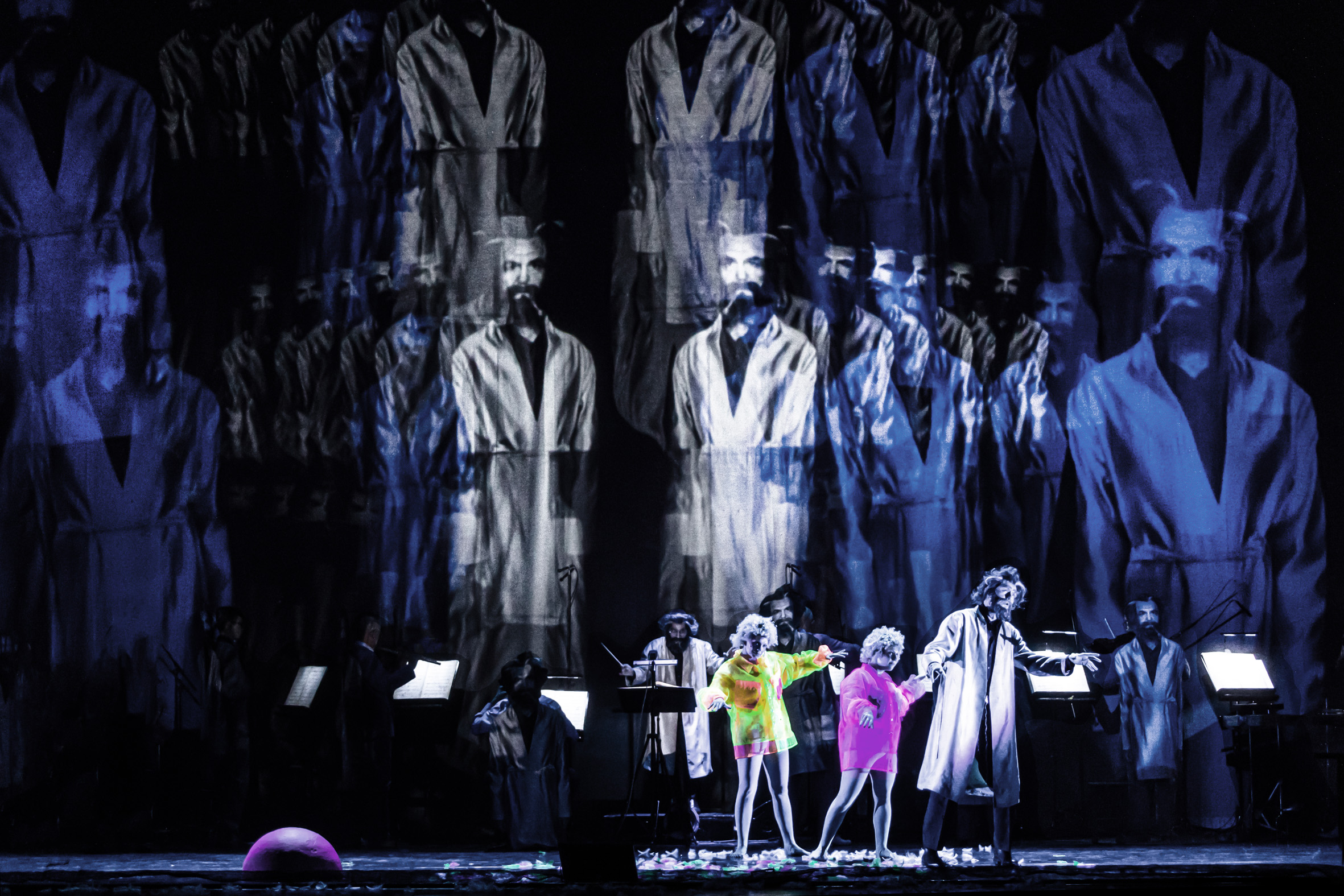
The character of Jacob from Bruno Schulz's "Cinnamon Shops" is a distant echo of the biblical Jacob from the Book of Genesis. Jacob is the one who fights against God; he also fights with his twin brother. Just like his distant prototype, he tries to overcome human nature to reach divinity and the mystery of creation. However, he is a creator of matter, not spirit. This only brings out a cry of despair from the creator who, even though he was himself created in the image and likeness of God, can only parody the work of creation and rebel against pathetic second-rateness. It seems he speaks through the words of Michel Foucault from the preface to the next edition of "History of Madness": "... Look, it's me, this is my face, my profile, look what these secondary faces that will spread from me are supposed to be like. If they deviate from this, they are worth nothing; judge the rest by the degree of similarity. It is I, the name, the law, the soul, the secret and the weight of all these doppelgängers.”
Schulz's Jacob is an emanation of the medieval vision of a madman. He manifests not a lack of reason, but its excess. He is like a large bird from medieval engravings - "an illogical creature, half-animal, half-thing." His long neck allows thoughts floating from the heart to the head to travel the path of consideration and reflection, undergoing a kind of distillation during which true wisdom crystallizes. His visions abound in a multitude of meanings which, like numerous threads stretched between things, intersect to create infinite constellations of meaning. Only the most secret depths of consciousness can depict them. In the soulless matter of the world, he sees its life-giving possibilities of spontaneous growth. Generatio Aequivoca – Aristotle's theory of spontaneous growth of life from inanimate matter – heated Jacob's mind to a red-hot state.
His tragic figure as a madman-artist experiences the need to create as both a blessing and a curse; as a stimulus to live and a reason to die; as a moment of fulfillment and eternal longing. The tragic dimension of this state is determined by the conflict between libido and death, life and love, truth and falsehood. When the tension between them reaches its highest point, an explosion becomes inevitable. The critical moment reveals the quintessence: realizing one's divine potential does not mean "becoming a god" - fullness can only be experienced within oneself.
Kamila Siwinska